What I Did While Modding Darkest Dungeon
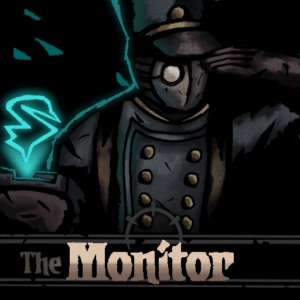
- Designed and implemented complete hero kits within the Darkest Dungeon’s mechanical framework, introducing new and exciting mechanics and abilities that were widely praised within the community.
- Iteratively refined balance and mechanics community feedback and playtester input both during and after development, ensuring each character’s kit aligned with its narrative fantasy, intended role, and the broader balance environment of Darkest Dungeon.
- Designed and shipped original characters and enemies from the ground up, taking them from rough concept sketches to fully implemented gameplay experiences released on the Steam Workshop, both solo and in collaborative teams.
- Worked extensively with 2D skeletal animation software, both modifying existing animations to new artwork and animating entirely new skeletons and animations for several character and enemy mods.
- Collaborated with other modders in co-functional development teams, refining the design, mechanics, and animations of other community made characters to reinforce consistent game feel and alignment of thematics and mechanics.
What I Learned
Working on Darkest Dungeon mods taught me how to think like a content and balance designer inside a previously designed framework — a skill that has shaped how I approach design in every project since. Because the core mechanics, numbers, and constraints of the base game were already established, I learned to design content that felt fresh without breaking existing systems. It pushed me to recognize the exact levers that make a character or encounter feel fair, thematic, and challenging in the specific language of Darkest Dungeon. Designing within those constraints taught me how to build new mechanics that feel like they’ve always belonged, and how to identify immediately when something drifts too far from the intended fantasy or balance philosophy.
I also gained a deep appreciation for iteration driven by player feedback. Releasing content to an active community meant that every mechanic, animation, and balance change received immediate scrutiny — sometimes praise, sometimes criticism, often a mix of both. Learning how to interpret player sentiment, weigh it against design intent, and decide when to adjust something versus when to stand firm helped me develop a healthier, more mature relationship with iteration. Some of the best improvements I made came from blending my own design goals with patterns I observed in feedback and playtest data, and knowing how to make those adjustments without losing the identity of the character or encounter.
Finally, working alongside other modders taught me collaborative skills that directly map to professional development environments. Because everyone had different strengths — some focused on art, some on writing, some on mechanics — I learned how to communicate design ideas clearly enough that someone else could animate them, write for them, or build around them. Refining another person’s hero concept or animating someone else’s character taught me how to respect the fantasy they envisioned while still elevating the design through clarity, cohesion, and mechanical expression. It was a crash course in multidisciplinary teamwork, problem-solving within technical limitations, and building content that serves both the player experience and the creative intent of the team.


The original concept for the Hierophant was made by Spurple.


The animations for the Carnifex were made by NBB.


The art for the Legion was made by RefinedTurtleFlesh and the animations by NBB.
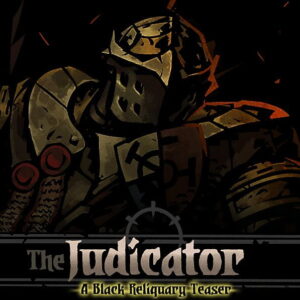

The art for the Judicator was made by Spurple, and the animations were made by Anonymous Koala and Miraclebutt.
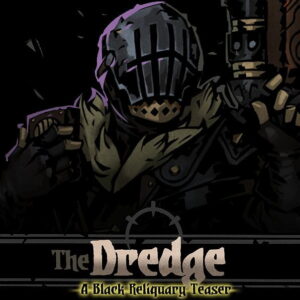

The art for the Dredge was made by Spurple, and the animations by Seal and Miraclebutt.
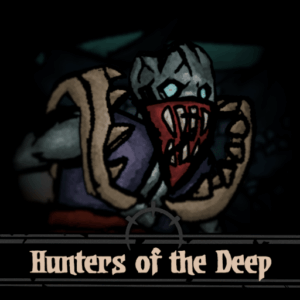

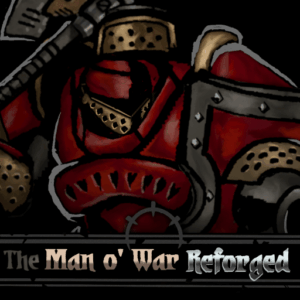


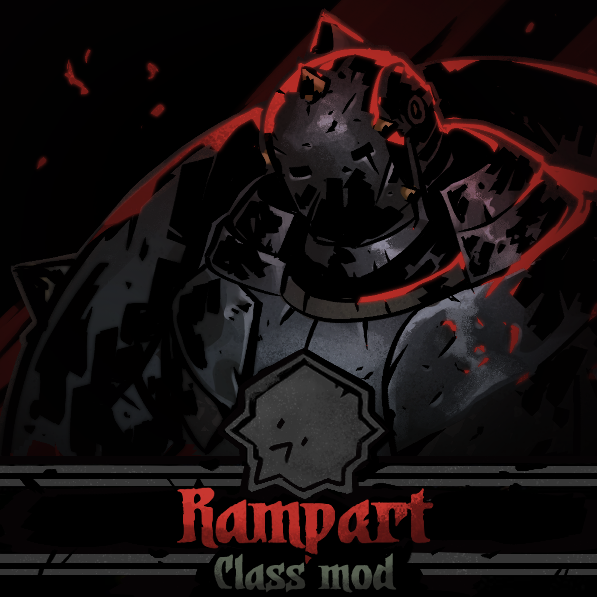
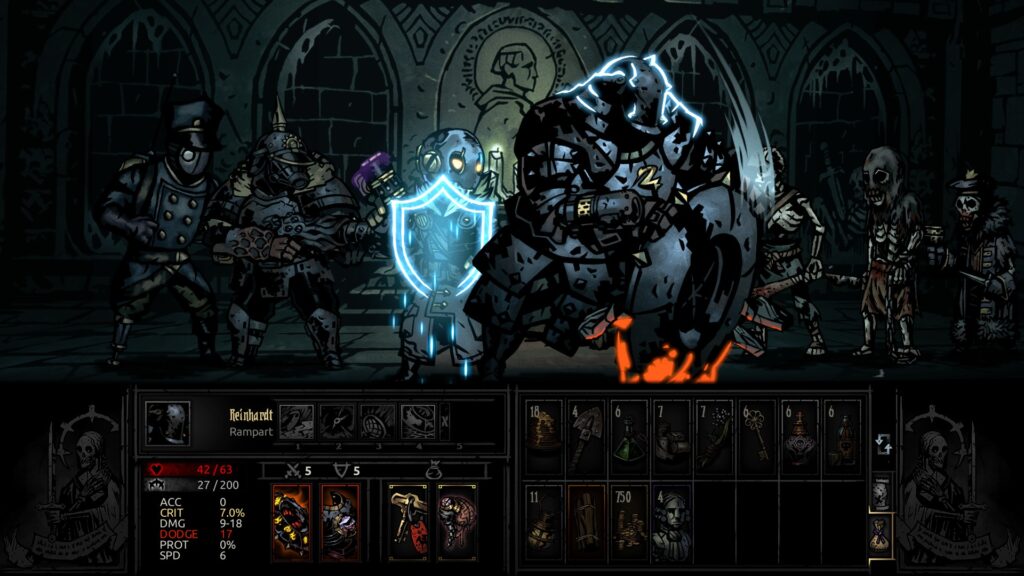
The art of the Rampart was made by SoggyPizza, and the original concept by Spurple.
All artwork by Jason Asidi, except where otherwise noted.